Foundational Elements for Well-being

Informational profiles on widely studied natural components and essential nutrients. This is an educational catalogue only — no products are sold or recommended here.

Categories of Nutrients and Components

Each profile below provides a general overview of a nutrient category, describing its common natural sources and its broadly recognised roles in supporting general human physiology. This content is purely educational; it is not a sales catalogue, nor does it recommend any specific product or brand. For personalised guidance, consult a qualified professional.

Bright sunlight filtering through autumn trees in an outdoor park, a man walking along a path in warm natural light representing vitamin D from sun exposure

Vitamin D: The Sunshine Nutrient

A fat-soluble vitamin that is unique in that the human body can synthesise it through the action of ultraviolet B (UVB) radiation on the skin. It functions as a prohormone and plays a central role in calcium and phosphorus metabolism.

  • Fundamental to calcium absorption and bone mineralisation
  • Recognised role in supporting immune system function
  • Subject of extensive research for its broad physiological roles
Explore Further
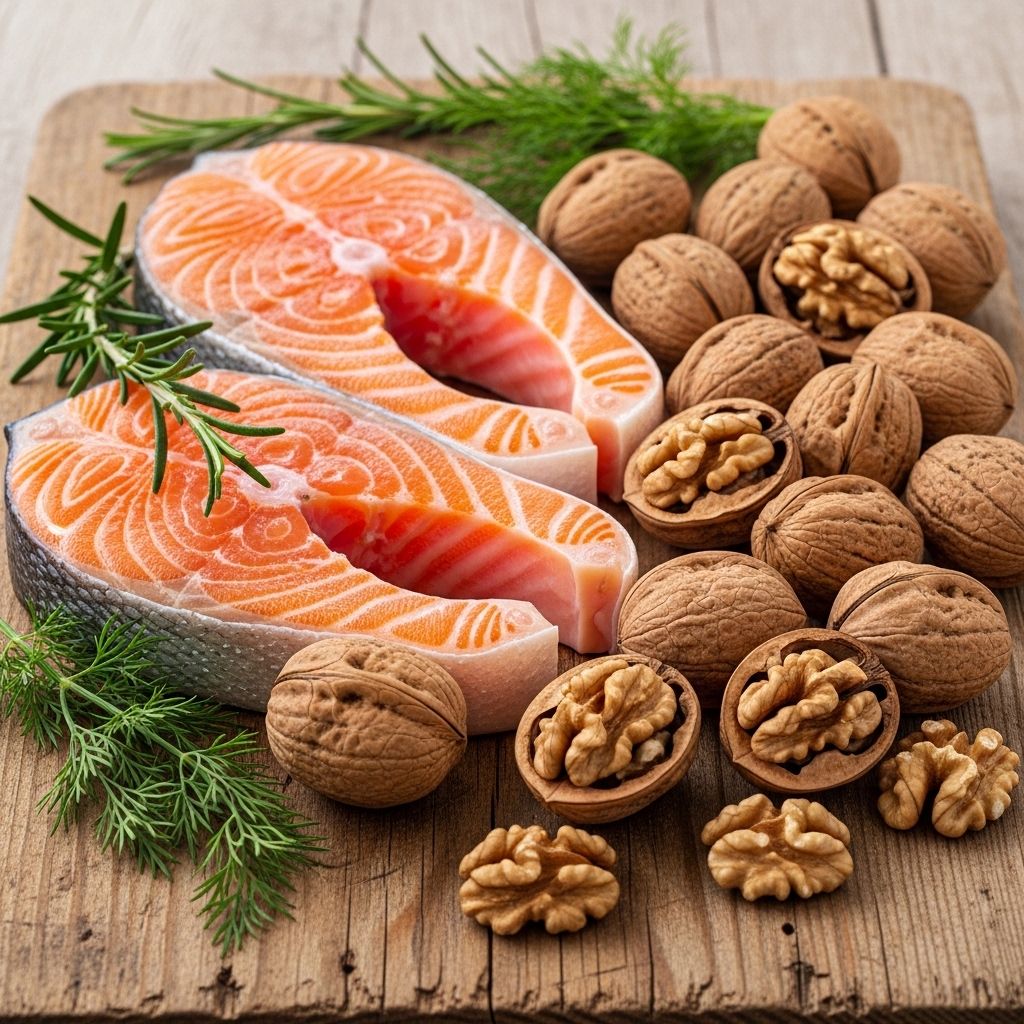
Fresh Atlantic salmon fillets and walnuts arranged on a wooden board with fresh herbs, representing natural omega-3 fatty acid food sources

Omega-3 Fatty Acids: Essential Fats

A family of polyunsaturated fatty acids that the human body cannot synthesise in adequate quantities, requiring dietary intake. The primary types — EPA, DHA, and ALA — are found in varying concentrations across fatty fish, certain plant oils, and algae.

  • Structural components of cell membranes throughout the body
  • Studied for roles in cardiovascular system support
  • DHA is a major structural component of brain tissue
Explore Further
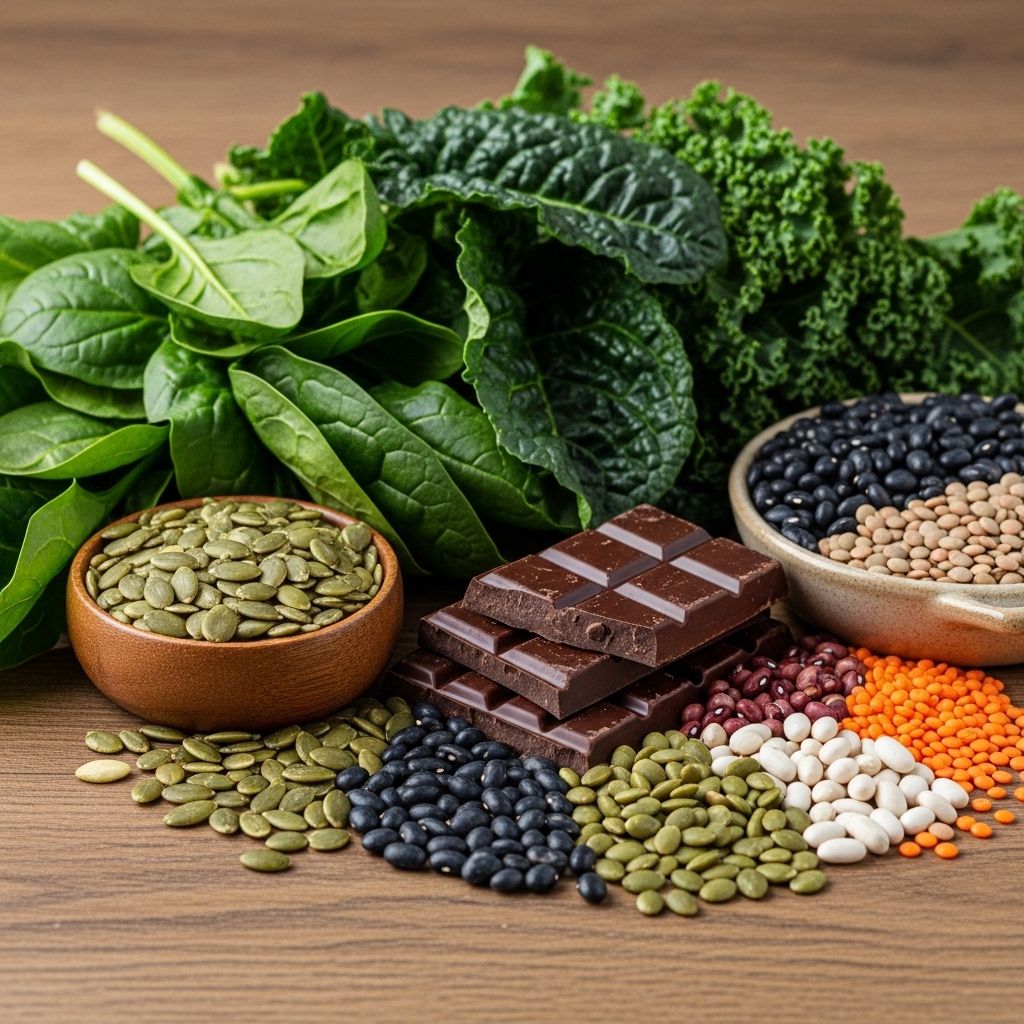
A variety of magnesium-rich foods including dark leafy greens, pumpkin seeds, dark chocolate and legumes displayed on a rustic kitchen surface

Magnesium: A Key Mineral

The fourth most abundant mineral in the human body by concentration, magnesium functions as a cofactor in over 300 distinct enzyme systems. It is found in significant concentrations in green leafy vegetables, legumes, nuts, seeds, and whole grains.

  • Cofactor in over 300 enzymatic reactions in human metabolism
  • Involved in muscle contraction and nerve signal transmission
  • Contributes to the structural integrity of bone tissue
Explore Further
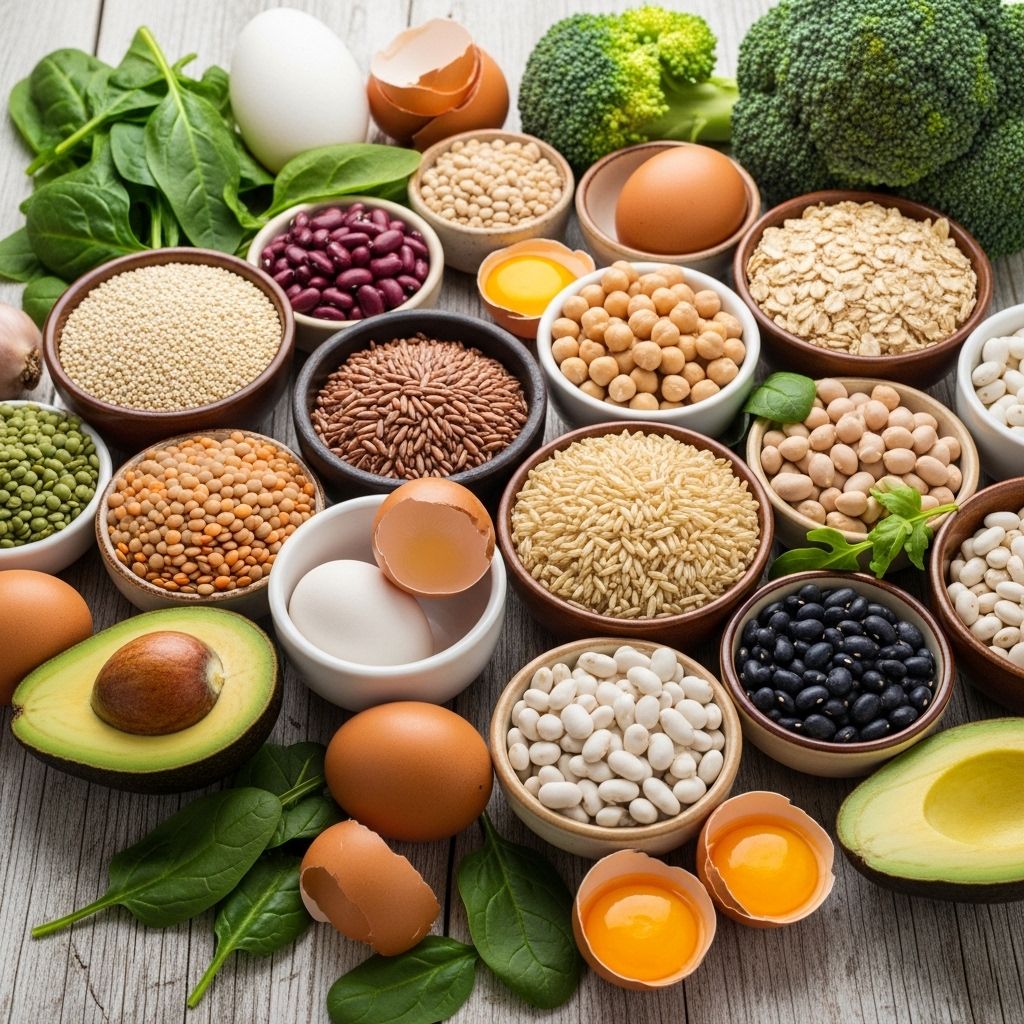
A spread of whole grains, eggs, legumes and green vegetables on a light coloured table top representing natural dietary sources of B-complex vitamins

B-Vitamin Complex: Energy Contributors

A group of eight chemically distinct water-soluble vitamins that collectively play critical roles in cellular metabolism. They are widely distributed across animal products, legumes, whole grains, and green vegetables, though individual B-vitamins vary in their primary food sources.

  • Central roles in the metabolic pathways that release energy from food
  • B12 and folate are essential for red blood cell formation
  • B vitamins support the maintenance of normal nerve function
Explore Further
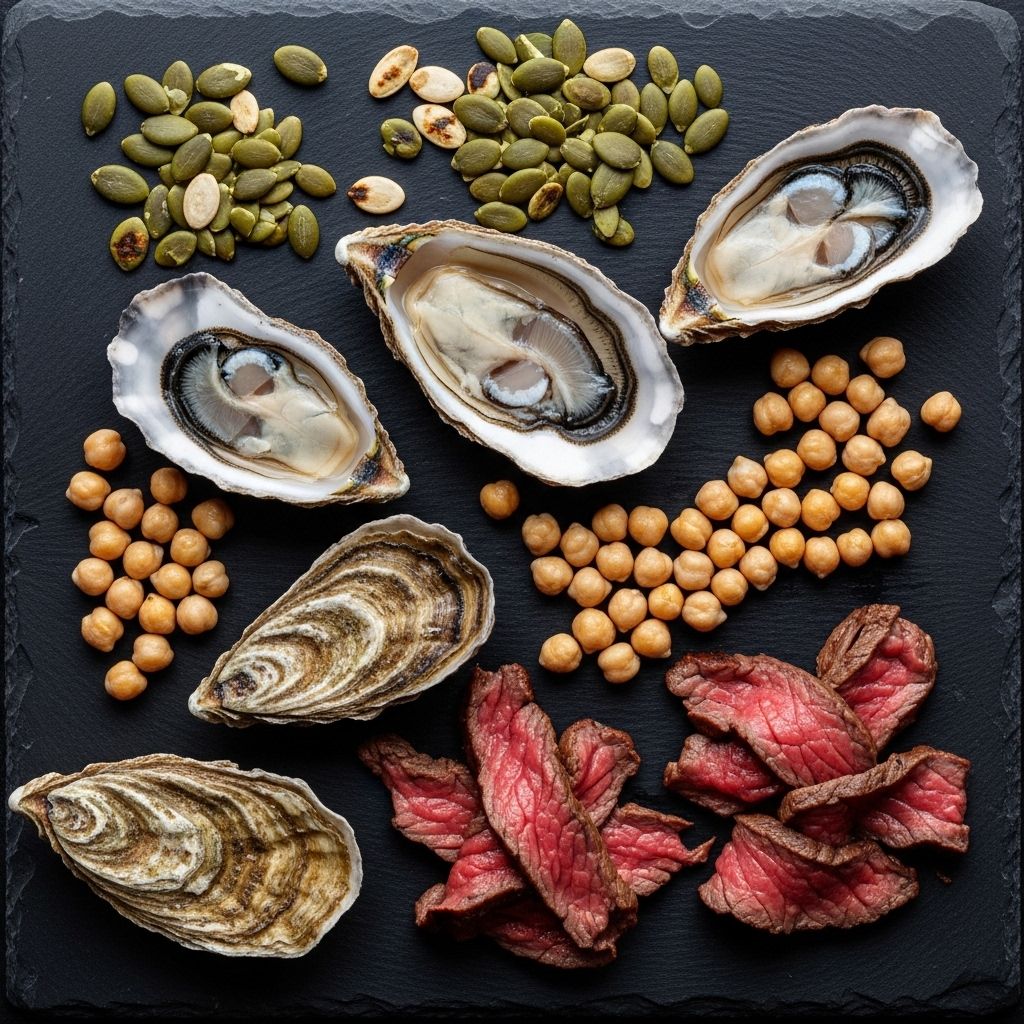
Oysters, pumpkin seeds, chickpeas and beef arranged on a dark slate surface as natural zinc-rich food sources

Zinc: The Trace Element

An essential trace element present in virtually every cell of the body, where it functions as a structural or catalytic component of numerous proteins and enzymes. It is found most abundantly in meat, shellfish, legumes, nuts, and seeds.

  • Catalytic component of approximately 100 known enzymes
  • Studied extensively for its role in immune system function
  • Required for DNA synthesis and cell division processes
Explore Further
Fermented foods including natural yoghurt, kefir and kimchi displayed in ceramic bowls on a light wooden surface representing probiotic food sources

Probiotics: Gut Microbiota

The term "probiotics" refers to live microorganisms — primarily bacteria of the Lactobacillus and Bifidobacterium genera, and certain yeasts — that are present in fermented foods and have been studied for their interactions with the gut microbiome, a complex ecosystem of microorganisms inhabiting the human digestive tract.

  • Studied for contribution to gut microbiota diversity and balance
  • Subject of research into digestive function support
  • Found naturally in fermented foods such as yoghurt and kefir
Explore Further

Information & Context Notice

The profiles presented in this catalogue are intended solely for general educational purposes. They describe the broad characteristics of nutrient categories as understood by current nutritional science. They do not represent endorsements, sales offers, or individual recommendations of any kind.

  • This catalogue does not sell, promote, or recommend any specific commercial product.
  • Individual nutritional requirements vary; this information is general and population-level.
  • The information presented does not constitute professional guidance of any kind.
  • No outcomes or results from the use of any substance are implied or guaranteed.